
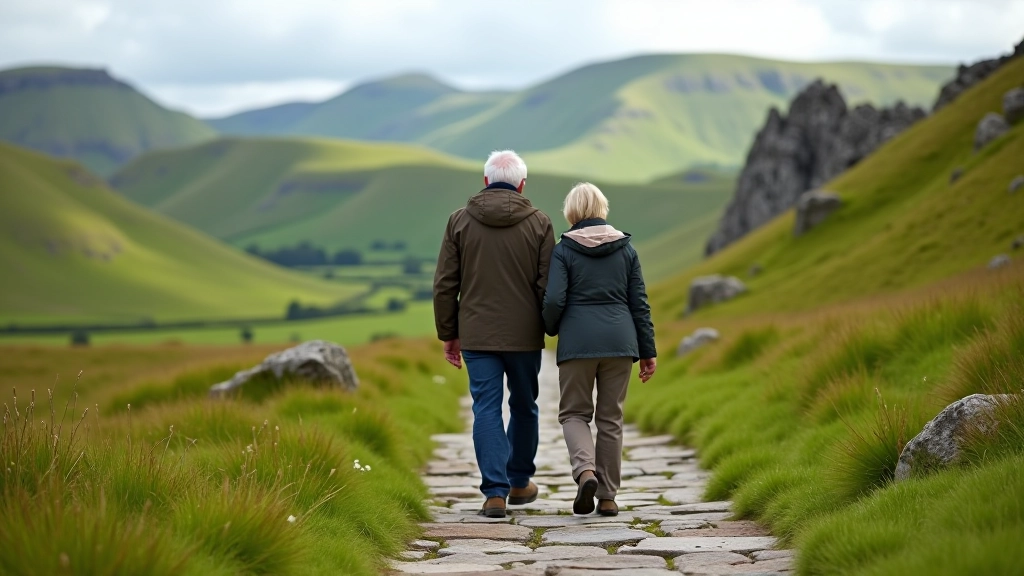
Starting Your First Burren Walk
What to expect on easy trails, best seasons to visit, and how to prepare for a comfortable first experience on the limestone terrain.
Walking the Burren's limestone plateau is rewarding, but the terrain demands respect. We've compiled practical advice on footwear, hydration, navigation, and knowing when to turn back—so you can focus on enjoying the views.
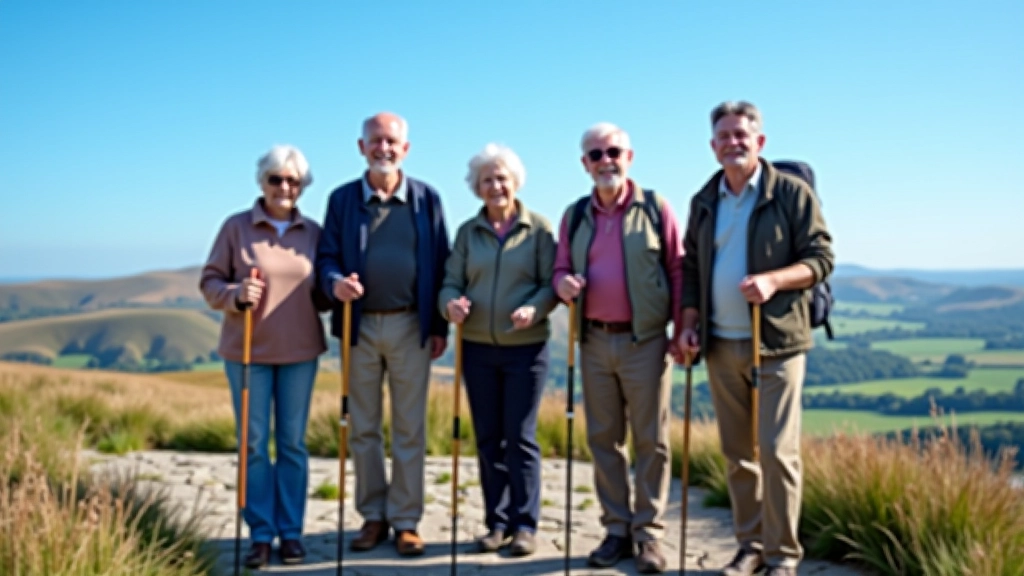
The Burren isn't like most hiking destinations. The limestone terrain is beautiful but unforgiving. Ankles can twist easily on loose scree. Weather changes fast. Water sources are rare. Yet thousands of people walk these plateaus safely every year—because they prepare properly. This guide covers what actually works, based on years of people hiking this region successfully.
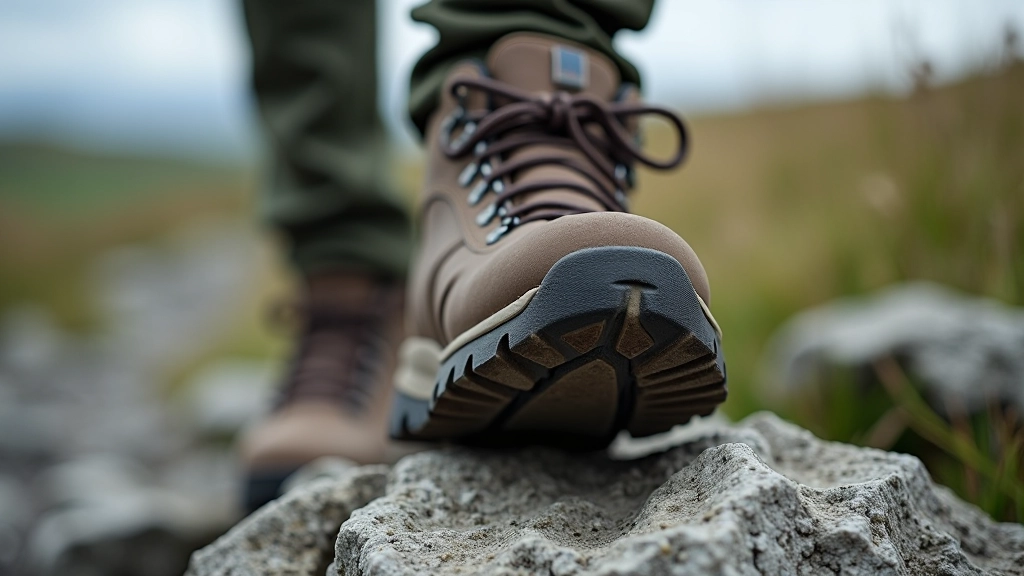
Proper shoes aren't optional on the plateau. You'll encounter loose limestone blocks, uneven ground, and sections where your foot can roll sideways if you're not careful. Trail runners won't cut it—they offer zero ankle support on scree.
Hiking boots with ankle support are the baseline. Waterproof is helpful (the ground dries quickly, but rain showers arrive suddenly). What really matters: a stiff sole that doesn't flex under your weight on rocks, and aggressive tread. Most people underestimate tread importance. Smooth soles slip on wet limestone like ice.
Worn-out boots are worse than no boots. If the sole is separating or the heel is compressed flat, replace them before coming to the Burren. You don't need expensive gear—solid mid-range hiking boots (€80-120) outlast three pairs of running shoes on this terrain.
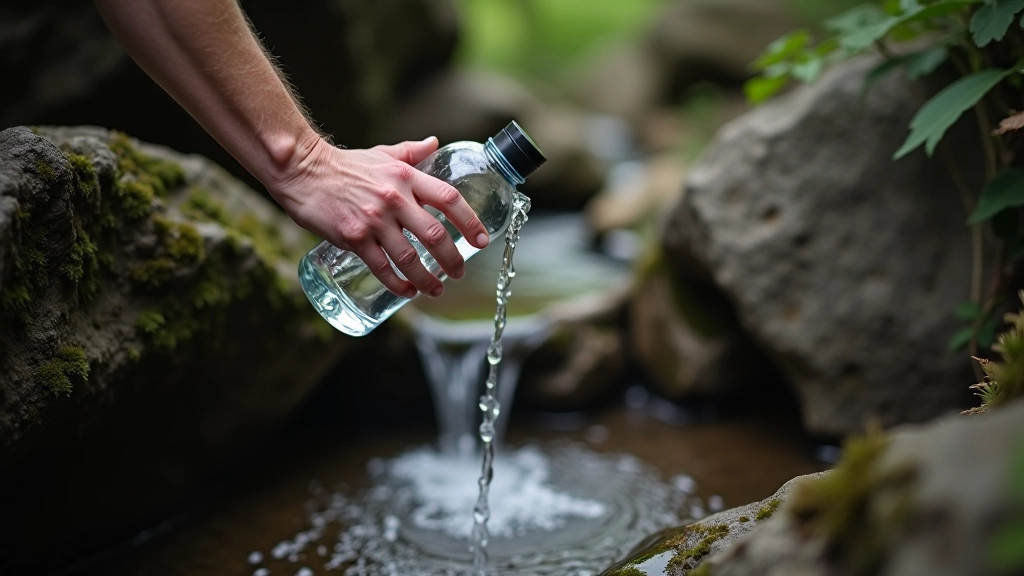
The plateau has almost no shade and virtually no reliable water sources. In summer, you'll be exposed to sun for hours. Dehydration sneaks up quickly—by the time you notice it, you're already struggling.
The rule we recommend: bring at least 2 liters of water for a half-day walk. If you're doing 3+ hours, consider 3 liters. That sounds like a lot, but you'll drink more than you expect, especially on warm days. A hydration pack (backpack with built-in water bladder) makes carrying easier than bottles bouncing in your hands.
Some springs and wells exist on the plateau, but don't rely on them. Dry summers mean they run dry. If you find water, it's usually safe—the limestone filters it—but it's not guaranteed. Electrolyte tablets or sports drinks help replace salts you lose through sweat, which plain water won't do.
This guide is educational information, not medical advice. If you have knee or ankle problems, heart conditions, or balance issues, consult your doctor before attempting plateau walks. Weather can change rapidly—wind, rain, and fog can arrive within minutes. If forecasts predict storms, postpone your walk. No view is worth getting stranded in bad weather. Turn back if you feel unwell, tired, or unsure of the route. The plateau will be there tomorrow.
The plateau looks uniform—limestone, grass, more limestone. Landmarks blur together. Cairns (stone stacks) mark some routes, but they're not everywhere, and weather can make visibility zero in minutes.
Bring a paper map and compass, or use a smartphone app like AllTrails or Maps.me downloaded offline. (Phone batteries die, and there's no signal on the plateau.) Download the specific route before you go. Don't rely on remembering "turn left at the big rock"—all the rocks look big.
Walking with a group is safer than solo. If someone gets injured, others can help or get assistance. Groups also stay more alert because people talk through landmarks together. Solo walkers sometimes drift off-route and don't realize it until they're lost.
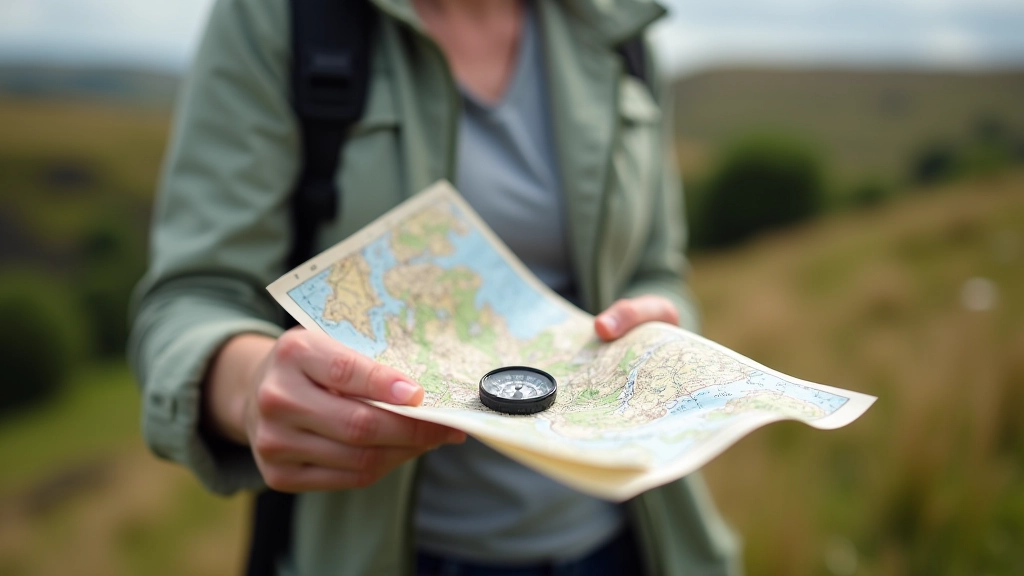
You don't need expensive equipment. You need the right equipment. Here's what experienced walkers bring on every plateau walk:
Ankle support, stiff sole, aggressive tread. Non-negotiable on limestone scree.
Bring more than you think you'll need. The sun is relentless with zero shade.
Download offline maps too. The plateau all looks the same—easy to drift off-route.
Sunscreen (SPF 30+), hat with brim, sunglasses. Limestone reflects UV intensely.
Weather changes fast. A lightweight waterproof layer takes up almost no space.
Bring a power bank. No signal, but emergency services can locate you via GPS.
The Burren's plateau walks aren't dangerous if you respect the terrain and prepare properly. Thousands of people—including seniors—walk these routes every year without incident. The difference between a memorable day and a difficult one often comes down to small decisions: wearing proper boots, bringing enough water, checking the weather forecast, telling someone where you're going.
You don't need to be fit or young. You need good shoes, attention to detail, and the willingness to turn back if conditions change. That's it. Get those basics right, and you'll have time to notice the wildflowers, the ancient stone walls, and the vast limestone pavement stretching to the horizon. That's what the plateau is really about.

Senior Hiking & Accessibility Editor
Siobhán is a hiking specialist with 14 years' experience developing accessible trails across Ireland's karst regions, particularly the Burren.
What to expect on easy trails, best seasons to visit, and how to prepare for a comfortable first experience on the limestone terrain.
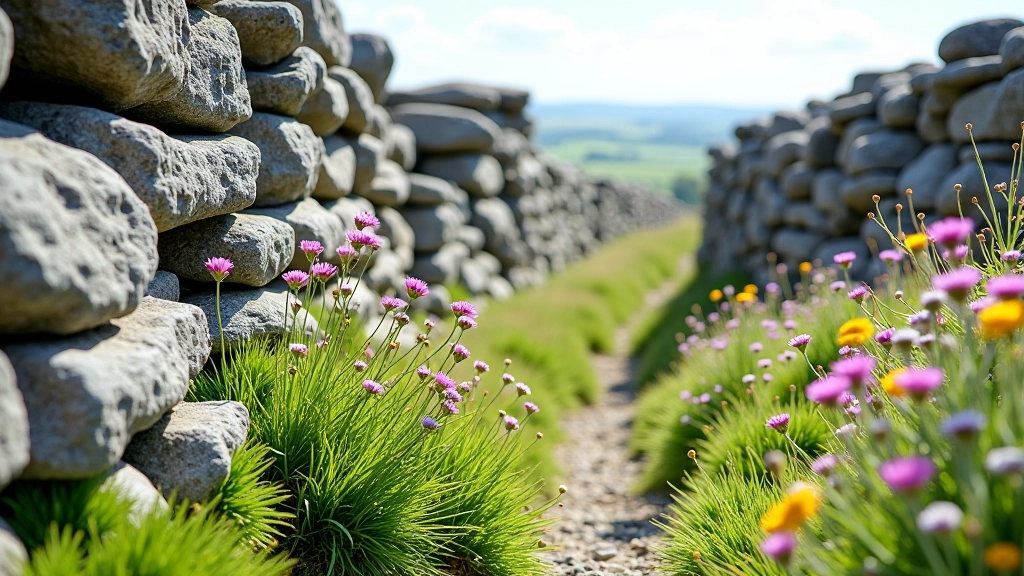
The fascinating story of how limestone shaped this landscape. Why it looks so different from other Irish hills and what that means for walking here.
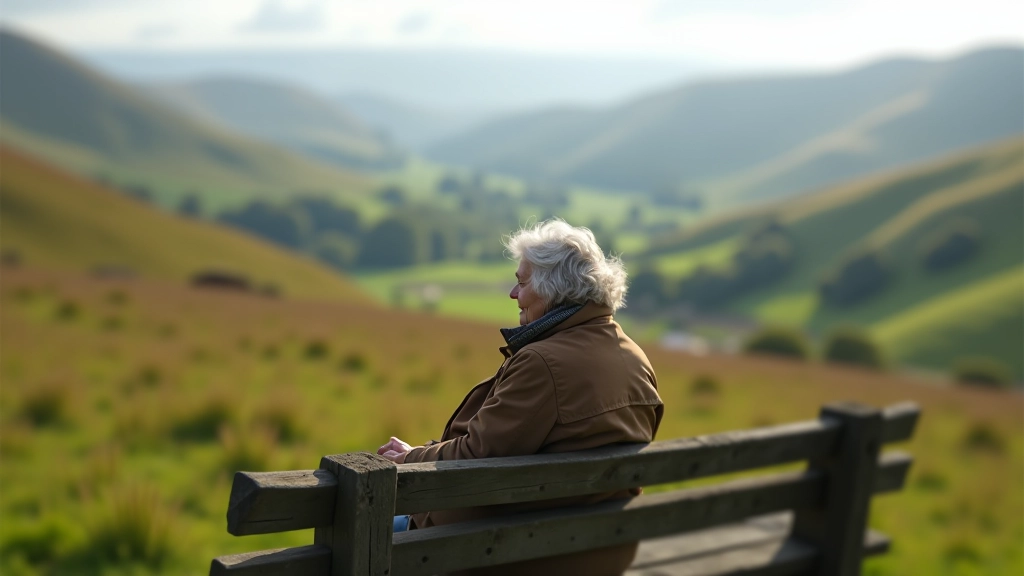
A gentle 5km circuit through peaceful terraces with rest points. It's manageable for most fitness levels and takes about 2.5 hours at a relaxed pace.